Iron Pulse Portal
Several bowls of matcha resting on a tatami surface at Iron Pulse Portal

For tea drinkers · Seasonal Tasting

The same leaf, tasted many ways

Harvest, region, preparation — these shape the tea more than most people realise. This ninety-minute sitting lets you taste those differences slowly, bowl by bowl.

← Back to home

What this gathering offers

A new relationship with a tea you thought you knew

Many people who enjoy matcha have tasted only a narrow slice of what the leaf is capable of. A single grade, from a single source, prepared one way. This tasting opens that up gently — not through instruction, but through the bowls themselves.

By the time the sitting closes, you will have a working understanding of what makes one matcha different from another — and a language for speaking about those differences that will stay with you every time you encounter the tea afterwards.

What you can expect

  • A seated tasting through several matcha grades, each whisked at the table
  • Conversation about harvest region, shading practices, and how preparation alters flavour
  • A seasonal sweet paired with each bowl, chosen to complement what is being tasted
  • Tasting notes to take home — a small card describing each grade and its provenance
  • Ninety minutes of unhurried sitting in the tatami room, at a pace that allows real attention

What tends to get in the way

You enjoy matcha — but something about it still feels just beyond reach

Matcha is everywhere now — in cafés, in chocolate, in morning rituals that have little to do with how the leaf was originally understood. That wider availability has made it familiar, but it has also flattened some of the depth that made the tea worth noticing in the first place.

If you have spent time with matcha and found yourself wanting to understand it more fully — why some bowls taste bright and grassy, others deep and umami-rich, others almost sweet without any sweetness added — that interest has somewhere to go.

The tasting is not a lecture. It is simply an occasion to sit with the differences and let the bowls speak for themselves, with someone nearby who can put words to what you are tasting.

How this tasting is shaped

Not a comparison, but a conversation with the leaf

Each bowl in the tasting is chosen to show a particular quality of the matcha — its relationship to the season, its growing region, the length of shading before harvest, the degree of stone-grinding. The grades move through a range that spans from the accessible to the refined.

The host does not narrate the tasting as a performance. There is dialogue — a question here, an observation there — and space for you to form your own response before anything is explained. The notes you take home reflect what you encountered, not a fixed curriculum.

Grades with meaning

Each matcha in the tasting comes from a specific source and is chosen because it demonstrates something worth tasting — not simply because it occupies a price point.

Seasonal pairing

The wagashi served alongside each bowl shifts with the month. The sweet is not decoration — it is part of understanding how the tea changes in the presence of something beside it.

Room to linger

Ninety minutes is enough time to move through the tasting without any rush, and to sit with each bowl until you are ready for the next. There is no timer on your attention.

Something to keep

A small card describing each matcha tasted — its origin, grade, and character — goes home with you. Many guests find it useful long after the sitting itself.

How the ninety minutes unfolds

A sitting that moves at the pace of the tea

01

Settling in

You arrive at the studio and are welcomed into the tatami room. The host takes a moment to describe what the session will hold and to ask about your existing relationship with matcha.

02

The first bowl

The tasting opens with a grade chosen as a reference point — approachable and clear. The wagashi accompanying it is described before you taste. You are invited to notice before you name.

03

Moving through the grades

Each subsequent bowl is whisked at the table. The host introduces the matcha — its origin, its harvest, what makes it worth tasting — and leaves space for your response before the next is prepared.

04

Closing and noting

The sitting closes with conversation and the tasting notes card. There is time to ask about sourcing, preparation at home, or anything else the session raised for you.

The investment

¥6,400 for one sitting

This covers the full ninety-minute tasting session, all matcha grades tasted during the sitting, seasonal wagashi pairings, and the tasting notes card to take home. Nothing is added on the day.

Payment is made at the studio on the day of your visit, in yen. For pairs or small groups who wish to attend together, write to us and we will discuss arrangements that suit your visit.

What is included

  • Ninety minutes in the tatami room in Gionmachi Minamigawa, Higashiyama
  • Several matcha grades, each whisked individually at the table
  • A seasonal wagashi sweet paired with each bowl
  • Tasting notes card describing each matcha — origin, grade, and character — to take home
  • Host-led conversation about harvest, shading, region, and preparation — without lectures
  • Conducted in English

Grounded in the tea calendar

A tasting that changes with the season, because the tea does too

Matcha is a seasonal product. The spring harvest — shincha — produces the brightest, most fragrant teas. Later harvests carry different weight. The tasting at Iron Pulse Portal reflects where we are in the year, which means no two sittings are exactly alike.

The grades selected are sourced from producers whose work we know well. The host has tasted each matcha before it is offered in the session and can speak to it from direct knowledge rather than from a catalogue.

Duration

Approximately ninety minutes

The sitting runs for roughly ninety minutes. There is no strict close — if a particular matcha warrants more time, it receives it.

Suited to

Those who already enjoy tea

Guests who drink matcha regularly, those curious about Japanese tea culture, pairs and solo visitors who want a thoughtful ninety minutes. Some prior experience of matcha is helpful but not required.

Our commitment

You are welcome to ask anything before you reserve

If you are unsure whether the tasting is suited to your level of familiarity with matcha, or if you have questions about what the session involves in practice, write to us first. We are glad to describe it in more detail and help you decide whether it is the right visit for you.

There is no obligation in reaching out. If you need to change or cancel after reserving a place, let us know as early as you are able and we will accommodate you.

We hold the tasting to a small number of guests so that the attention does not become diluted. Writing to us early is the simplest way to secure a time that suits your stay in Kyoto.

How to begin

Three steps to your seat at the tasting

01

Write to us

Use the contact form on the home page to let us know your preferred dates and number of guests. Mention any questions you have about the tasting — we will answer them directly.

02

We confirm your time

We respond within one working day with available sessions and everything you need to know to find us and arrive comfortably.

03

Arrive ready to taste

Come at the agreed time, ideally without having drunk strong coffee immediately beforehand. Everything else is arranged for you.

Reserve your place

The tasting is waiting — whenever you are ready to sit with it

The Seasonal Matcha Tasting is ¥6,400 and runs for approximately ninety minutes. To reserve a place or ask a question, write to us using the form on the home page.

Write to us

Other ways to visit

Explore the other gatherings at Iron Pulse Portal
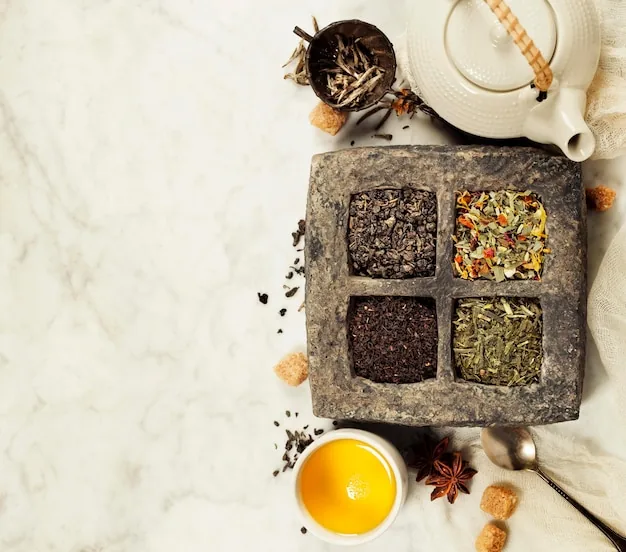
Introductory Tea Gathering

First visit

Introductory Tea Gathering

A quiet first hour for newcomers. Thin matcha, a seasonal sweet, and gentle guidance through the etiquette of receiving tea. No experience needed.

¥3,800

Learn more
Half-Day Tea Immersion

Full experience

Half-Day Tea Immersion

An unhurried half-day of hands-on practice covering utensil care, whisking, and the spirit of hospitality. Personal and small in number.

¥18,500

Learn more